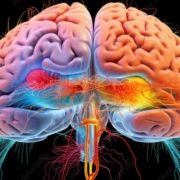
World Alzheimer’s Day: Memory, Innovation, and Hope
World Alzheimer’s Day, observed every September 21, is a chance to reflect on one of the most challenging neurodegenerative diseases of our time. Beyond statistics and diagnoses, Alzheimer’s reminds us of the fragility of memory and the importance of empathy, prevention, and innovation in health. As a society, we must learn to care not only for those who suffer from it but also for their families, building an environment of support and human leadership.
What is Alzheimer’s?
Alzheimer’s is a neurodegenerative disease that primarily affects memory, thinking, and behavior. It is the most common form of dementia, and with global aging, its incidence has increased worldwide. While there is no definitive cure, medical and technological advances have improved patients’ quality of life.
Origins of Alzheimer’s Knowledge
The disease was first described in 1906 by German physician Alois Alzheimer, who identified brain changes in a patient with memory loss and disorientation. Since then, research has revealed genetic, environmental, and lifestyle factors that influence its development.
Advances in the Fight Against Alzheimer’s
-
Early diagnosis: through neuroimaging and biomarkers.
-
Pharmacological treatments: that slow symptom progression.
-
Technological innovation: apps and devices that assist patients and caregivers.
-
Prevention programs: based on healthy diets, physical exercise, and cognitive stimulation.
Global Positioning and Economy
Alzheimer’s is not only a medical challenge but also an economic one:
-
Care costs: millions of families face high expenses.
-
Workforce impact: affects caregivers’ productivity and health systems.
-
Research investment: countries investing in medical innovation strengthen global competitiveness.
Key Challenges
-
Population aging: more people at risk.
-
Unequal access to treatment: especially in developing countries.
-
Social stigma: many families still face discrimination and lack of support.
-
Need for human leadership: building more empathetic and prepared societies.
Practical Applications
Health
Prevention through healthy habits and early diagnosis reduces risks and improves quality of life.
Finance
Investing in research and support programs reduces long-term costs and protects family economies.
Overcoming
Alzheimer’s teaches resilience: patients and families develop new ways of communication and emotional strength.
Success
Societies investing in medical innovation and community support achieve significant advances in social well-being.
Happiness
Despite the disease, empathy and companionship create moments of joy and human connection.
 Did you know…?
-
Alzheimer’s accounts for 60% to 70% of dementia cases worldwide.
-
Staying physically and mentally active can reduce the risk of dementia.
-
By 2050, more than 150 million people are expected to live with Alzheimer’s globally.
-
Music and art therapies have proven to improve patients’ quality of life.
En Conclusion, World Alzheimer’s Day reminds us that memory is a collective treasure. Innovating in health, supporting families, and promoting empathy are acts of leadership that build a more humane future. Prevention and innovation are basic, useful, and accessible tools to face this global challenge.