
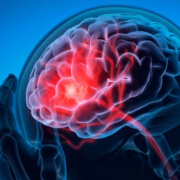
WORLD BRAIN DAY Protecting Our Greatest Asset
/0 Comentarios/en News/por JORGE MONTES DE OCAProtecting Our Greatest Asset: Understanding Brain Health, Potential, and Well-Being
The Organ That Makes Us Who We Are
Imagine for a moment that you could insure the most valuable asset you possess. Many people would think of their home, their business, their savings, or their family’s financial future. Yet there is an asset that makes all of those things possible: the human brain.
Every thought, dream, memory, decision, and relationship begins within this remarkable organ. It helps us learn, create, solve problems, experience emotions, and connect with others. Despite its importance, many people devote more attention to maintaining their vehicles or electronic devices than to caring for their brain health.
As we recognize World Brain Day, we are reminded of the importance of understanding the incredible potential of the human brain, becoming aware of the risks that can affect it, and taking practical steps to protect one of the most important foundations of our quality of life. Just as we have previously discussed protecting our families through insurance, savings, and financial planning, it is equally important to protect the health that allows us to enjoy those resources and opportunities.
The Extraordinary Potential of the Human Brain
The human brain is one of the most complex structures known to science. Although it weighs only a few pounds, it contains billions of nerve cells that communicate through intricate networks, allowing us to think, learn, adapt, and innovate.
One of its most remarkable characteristics is its ability to change throughout life. This phenomenon, known as neuroplasticity, allows the brain to form new connections, learn new skills, and adapt to new circumstances. Whether someone is learning a language, developing professional expertise, or mastering a hobby, the brain continues to evolve.
This ability highlights an important lesson for personal and professional development: growth does not stop with age. Continuous learning, curiosity, and intellectual engagement help maintain cognitive function while opening doors to new opportunities.
For business leaders, entrepreneurs, and professionals, the brain is the engine behind creativity, strategic thinking, decision-making, and innovation. Investing in mental development is therefore not only a health decision but also a personal and professional investment.
Understanding Brain Risks and Common Neurological Diseases
While the brain possesses extraordinary capabilities, it can also be affected by various conditions that impact quality of life, independence, and overall well-being.
Some of the most common neurological conditions include Alzheimer’s disease and other forms of dementia, which affect memory and cognitive abilities. Parkinson’s disease impacts movement and coordination. Stroke can occur when blood flow to part of the brain is interrupted, potentially causing significant physical and cognitive challenges.
Epilepsy, migraines, traumatic brain injuries, and multiple sclerosis are additional conditions that affect millions of individuals worldwide. Mental health conditions such as depression and anxiety, while often discussed separately, are also closely connected to brain function and overall neurological health.
It is important to recognize that not every neurological condition can be prevented. However, awareness, early detection, medical attention, and healthy lifestyle choices can often improve outcomes and quality of life.
Rather than creating fear, understanding these risks empowers individuals and families to make informed decisions regarding prevention, healthcare, and long-term planning.
Brain Health, Disability, and the Importance of Inclusion
World Brain Day also encourages reflection on the experiences of individuals living with neurological conditions and disabilities.
A neurological disability does not define a person’s value, intelligence, or potential. Many individuals facing cognitive or physical challenges continue to make meaningful contributions to their families, workplaces, and communities.
Creating inclusive environments benefits everyone. Schools, businesses, healthcare systems, and communities that embrace accessibility and support allow individuals with neurological conditions to participate more fully in society.
Compassion, understanding, and education help reduce stigma and encourage earlier diagnosis and treatment. When society focuses on capabilities rather than limitations, opportunities for growth and participation expand significantly.
As leaders, employers, educators, and community members, we all have a role to play in promoting inclusion and supporting those affected by neurological conditions.
Personal Development, Success, and Happiness Through Brain Care
Success and happiness are often associated with external achievements, but both are deeply connected to brain health.
Healthy cognitive function supports emotional resilience, sound decision-making, productivity, creativity, and meaningful relationships. Taking care of the brain is therefore an investment in overall well-being.
Simple habits can make a meaningful difference. Regular physical activity supports blood flow to the brain. Quality sleep allows the brain to recover and process information. Balanced nutrition provides essential nutrients. Lifelong learning keeps the mind engaged. Social connections support emotional health, while stress management contributes to mental balance.
Just as financial planning involves making consistent choices over time, brain health is built through daily habits and intentional decisions. Small actions practiced consistently can contribute to long-term well-being.
Protecting brain health is not solely about avoiding illness; it is about maximizing potential, maintaining independence, and improving quality of life throughout the years.
Caring for the Mind That Shapes Our Future
World Brain Day offers an opportunity to appreciate the remarkable organ that influences every aspect of our lives. The brain enables us to learn, lead, innovate, love, and contribute to society.
By understanding neurological risks, promoting awareness, supporting inclusion, and adopting healthy habits, we take meaningful steps toward protecting one of our most valuable assets.
Just as financial security helps prepare us for life’s uncertainties, brain health preparation helps us preserve the abilities that allow us to pursue our goals, support our families, and enjoy life’s experiences.
Reflection
Your brain is the source of your ideas, your dreams, your resilience, and your capacity to create a better future. Every healthy choice, every new lesson learned, every meaningful conversation, and every effort to care for your well-being is an investment in your greatest asset. Protect it, challenge it, nurture it, and allow it to continue unlocking possibilities throughout your life.
References
Alzheimer’s Association. (2024). Alzheimer’s disease facts and figures.
World Federation of Neurology. (2024). World Brain Day resources.
World Health Organization. (2024). Neurological disorders: Public health challenges.
National Institute of Neurological Disorders and Stroke. (2024). Brain basics and neurological conditions.
Centers for Disease Control and Prevention. (2024). Healthy brain initiative.
World brain day

World Autism Awareness Day: Empathy, Planning, and the Power of Understanding

La vida como un rompecabezas: la importancia de la planeación financiera
