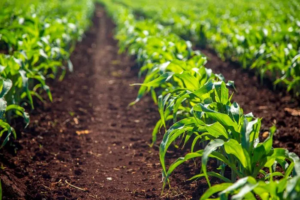
World Agriculture Day: Planting the Future with Innovation and Empathy

Agriculture is much more than planting and harvesting: it is the foundation of our food, culture, and economy.

Every year, World Agriculture Day reminds us that behind every meal there are stories of effort, innovation, and hope.

In 2026, this day is more relevant than ever as we face global challenges such as climate change, food security, and the need for sustainable production.

What is Agriculture?

Agriculture is the set of practices aimed at cultivating land and raising animals to obtain food, fibers, and other essential products.

It is the bridge between nature and society, and the heart of global food security.

Origins of Agriculture

More than 10,000 years ago, the first human communities began domesticating plants and animals.

This change allowed the development of settlements, cultures, and economies.

Agriculture was the beginning of civilization, and it remains the engine of progress today.

Some Advances in Agriculture

Agricultural history is marked by innovations that transformed food production:

  • Green Revolution (20th century): introduction of improved seeds and fertilizers.

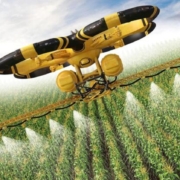
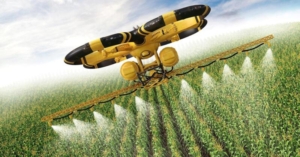
  • Precision agriculture: sensors and data optimize resources.

  • Biotechnology and nanotechnology: new tools improve crops and packaging.

  • Agroecology: sustainable practices that respect biodiversity.

Global Positioning and Economy

Agriculture is now a strategic economic driver:

  • International competitiveness: countries export differentiated, high-quality foods.

  • Investment attraction: innovation opens opportunities for private capital and international cooperation.

  • Local economy: production chains generate jobs and reduce inequalities.

Key Challenges

The sector faces challenges that require empathy and action:

  • Climate change: droughts and floods affect production.

  • Unequal access to technology: small farmers lack resources.

  • Variable regulations: different laws hinder international cooperation.

  • Insufficient funding: investment in research remains low.

Practical Applications

Health

Innovations in smart packaging and clean production ensure safer food.

Finance

Digital agriculture reduces costs and improves profitability.

Overcoming

Training opens doors for rural communities to access new technologies.

Success

Countries that invest in agricultural innovation are better positioned in international markets.

Happiness

Ultimately, agriculture seeks something simple: families having access to nutritious and affordable food.


World Agriculture Day is a reminder that the land gives us life and that we must care for it with empathy and responsibility. Innovating in agriculture is not just about producing more, but producing better, with respect for those who cultivate and those who consume.

References 

  • FAO. (2025). Agro-food innovation systems: Pathways for sustainable development. Rome: Food and Agriculture Organization.

  • World Bank. (2024). Agriculture and food security in the era of climate change. Washington, DC: World Bank Publications.

  • OECD. (2025). Innovation and sustainability in global agri-food systems. Paris: OECD Publishing.

  • IFPRI. (2025). Global food policy report: Building resilient food systems. Washington, DC: International Food Policy Research Institute.

Agriculture is life

INTERNATIONAL YOUTH SKILLS DAY

Building the Leaders, Innovators, and Changemakers of Tomorrow

Introduction: The Skills That Shape the Future

Every generation inherits a world filled with opportunities and challenges. Yet, what truly determines whether those challenges become obstacles or stepping stones is not age, background, or circumstance—it is the ability to learn, adapt, and apply meaningful skills.

International Youth Skills Day reminds us that investing in young people is one of the most powerful actions societies can take. Around the world, millions of young individuals possess talent, creativity, and ambition. What they often need are opportunities to develop practical skills, guidance from mentors and educators, and environments that encourage innovation and personal growth.

As we have previously explored the importance of learning and leadership, this occasion invites us to focus on a crucial question: How can skills empower young people to build successful lives while contributing to stronger communities and a better future for all?

The Importance of Skills in Advancing Society

The progress of every society depends on the capabilities of its people. Roads, businesses, schools, healthcare systems, technologies, and social initiatives are all created and improved by individuals who have acquired knowledge and transformed it into action.

Youth skills are particularly important because young people represent the future workforce, future entrepreneurs, future educators, and future leaders. When young individuals develop technical, professional, interpersonal, and leadership skills, they become active contributors to economic growth and social well-being.

However, skills extend far beyond employment. They help people communicate effectively, solve problems, collaborate with others, and make informed decisions. These abilities strengthen communities by encouraging participation, innovation, and responsible citizenship.

Investing in youth skills is therefore not merely an educational objective—it is a social responsibility. Every skill learned today can become a solution, a business, an invention, or a positive influence tomorrow.

Teachers, Trainers, and Mentors: The Multipliers of Human Potential

Behind every successful individual, there is often someone who believed in their potential before they fully believed in themselves.

Teachers, trainers, coaches, mentors, and parents play a fundamental role in helping young people discover their strengths and develop confidence. Their influence goes beyond transmitting information; they inspire curiosity, discipline, resilience, and purpose.

In today’s rapidly changing world, education is no longer limited to classrooms. Learning occurs in workplaces, online communities, training programs, volunteer projects, and everyday experiences. This makes the role of educators even more significant. They serve as guides who help learners connect knowledge with real-world application.

Organizations that invest in training programs also contribute to this mission. Businesses that support internships, apprenticeships, and continuous learning opportunities help bridge the gap between education and employment.

When educators and trainers equip young people with practical skills and a growth mindset, they create a ripple effect that benefits entire communities.

Innovation and Youth Leadership in a Changing World

Leadership today looks different from what it did a generation ago. Modern leaders are not simply authority figures; they are collaborators, innovators, and problem-solvers.

Young people are increasingly demonstrating leadership through entrepreneurship, technology, social initiatives, environmental projects, and community engagement. Their ability to adapt quickly to change often allows them to identify opportunities that others might overlook.

Innovation thrives when young minds are encouraged to question assumptions, experiment with ideas, and embrace creativity. This requires environments where learning from mistakes is considered part of growth rather than a sign of failure.

Leadership skills such as communication, empathy, teamwork, critical thinking, and adaptability are becoming just as valuable as technical expertise. These abilities enable young people to inspire others, manage challenges effectively, and create positive change.

The future belongs not only to those who possess knowledge but also to those who know how to apply it responsibly and creatively.

Learning and Work: A Lifelong Partnership

One of the most important lessons young people can learn is that education does not end when formal schooling concludes. Learning and work are partners throughout life.

The modern workplace continues to evolve due to technological advances, globalization, and changing societal needs. As a result, continuous learning has become essential for professional success and personal fulfillment.

Individuals who embrace lifelong learning remain adaptable, competitive, and capable of identifying new opportunities. More importantly, they develop confidence in their ability to navigate uncertainty.

Young people who cultivate skills today are not simply preparing for their first job; they are preparing for careers that may transform multiple times throughout their lives.

The most successful professionals often share a common trait: they never stop learning. Whether through reading, training programs, mentorship, practical experience, or self-development, they continually invest in their growth.

Personal Development, Success, and Happiness

Success is often measured through financial achievements or professional recognition. While these accomplishments are important, true success also includes personal fulfillment, meaningful relationships, and the ability to contribute positively to society.

Skills development supports all of these dimensions. Communication skills strengthen relationships. Leadership skills build confidence. Financial literacy promotes stability. Emotional intelligence enhances well-being. Problem-solving abilities increase resilience.

As young people develop these competencies, they become better equipped not only to achieve goals but also to create lives aligned with their values and aspirations.

Happiness and success are not destinations reached by chance. They are often the result of continuous learning, purposeful action, and personal growth.

Empowering the Future Starts Today

International Youth Skills Day serves as a reminder that every investment in learning is an investment in the future. When societies support youth development, encourage innovation, and value education, they create opportunities that extend far beyond individual success.

The leaders, entrepreneurs, educators, and innovators of tomorrow are developing their skills today. By fostering learning, mentorship, and personal growth, we help create a future that is more prosperous, inclusive, and resilient.

Motivational Reflection

Every skill learned is a door opened. Every lesson mastered is a step forward. Every young person encouraged to grow becomes a source of inspiration for others. The future is not something we simply inherit—it is something we build together through learning, leadership, and the courage to keep growing.

References

International Labour Organization. (2024). Youth employment and skills development. Geneva, Switzerland: ILO.

United Nations. (2024). World Youth Skills Day. New York, NY: United Nations.

UNESCO. (2024). Education and skills for the future. Paris, France: UNESCO.

World Economic Forum. (2023). The future of jobs report 2023. Geneva, Switzerland: World Economic Forum.

World Youth Skills Day

Cultivating Life from the Ground Up: Understanding Plants, Soil, and the Secret to a Thriving Garden

Every Great Garden Begins Beneath the Surface

Have you ever planted a seed and felt a sense of excitement as you waited for the first green shoot to emerge? Whether you care for a small houseplant, a backyard vegetable garden, or simply admire nature’s beauty, plants have a remarkable ability to connect us with life, growth, and hope.

Yet, many people focus only on what they can see—the leaves, flowers, and fruits—while overlooking the hidden foundation that makes all plant life possible: the soil. Just as people need a supportive environment to learn, grow, and thrive, plants depend on healthy soil to develop their full potential.

Understanding the relationship between plants and soil not only helps us become better gardeners but also teaches valuable lessons about patience, care, and personal growth. Let’s explore the fascinating world beneath our feet and discover why healthy soil is one of nature’s greatest treasures.

What Are Plants and Why Are They So Important?

Plants are living organisms that convert sunlight into energy through a process called photosynthesis. Unlike animals, plants produce their own food using sunlight, water, carbon dioxide, and nutrients from the soil.

Plants play a fundamental role in life on Earth. They produce oxygen, provide food, regulate temperatures, support wildlife, and contribute to human well-being. From the vegetables on our tables to the trees that provide shade, plants are essential partners in our daily lives.

Beyond their practical benefits, plants also improve mental and emotional health. Studies have shown that gardening and spending time around plants can reduce stress, improve mood, and increase feelings of accomplishment and happiness.

Like people, plants need the right conditions to grow. They require light, water, air, nutrients, and space. When any of these elements are missing, their growth may become limited.

The Parts of a Plant and Their Functions

To understand how plants grow, it helps to know the role of each of their main parts.

Roots: The Foundation

Roots anchor plants to the ground and absorb water and nutrients from the soil. They are often compared to a plant’s support system because they provide stability and nourishment.

Healthy roots allow plants to withstand environmental challenges and continue growing even during difficult conditions.

Stem: The Transportation Network

The stem supports the plant and transports water, minerals, and food between the roots and leaves. It serves as the plant’s internal highway, ensuring that essential resources reach every part of the organism.

Leaves: The Food Factories

Leaves capture sunlight and perform photosynthesis. They are responsible for producing the energy that fuels growth, flowering, and fruit production.

Flowers, Fruits, and Seeds: The Future

Flowers enable reproduction, fruits protect developing seeds, and seeds carry the potential for new life. These structures ensure that plant species continue from one generation to the next.

Each part performs a specialized role, but all work together as a unified system. This cooperation reminds us that success often depends on the contribution of many interconnected elements.

Soil: Much More Than Dirt

Many people think of soil simply as dirt, but it is actually a complex and dynamic living system.

Healthy soil contains minerals, organic matter, water, air, and countless microorganisms that work together to create an environment where plants can flourish.

A fertile soil possesses several important characteristics:

  • It contains essential nutrients.
  • It allows roots to grow deeply and securely.
  • It absorbs and retains water effectively.
  • It provides adequate aeration.
  • It is free from harmful or toxic substances.

Among the most important nutrients plants obtain from soil are nitrogen, phosphorus, potassium, calcium, and magnesium. These nutrients originate from rocks, decomposed organic matter, and biological activity within the soil.

When nutrients are available in proper amounts and proportions, plants can grow stronger, healthier, and more productive.

Just as a person thrives in a supportive environment that provides opportunities, encouragement, and resources, plants flourish when they grow in fertile soil.

The Relationship Between Soil and Plants: A Partnership for Growth

The relationship between soil and plants is one of nature’s most remarkable partnerships.

Plants depend on soil for water, nutrients, physical support, and access to beneficial microorganisms. In return, plants contribute organic matter through fallen leaves, roots, and natural decomposition processes that help enrich the soil over time.

This relationship is continuous and dynamic. Healthy soil supports healthy plants, and healthy plants help maintain healthy soil.

Gardeners can strengthen this partnership by adopting simple practices such as:

  • Adding compost and organic matter.
  • Avoiding excessive soil disturbance.
  • Watering efficiently.
  • Protecting soil from erosion.
  • Choosing plants suited to local conditions.

These actions encourage long-term soil health and create stronger, more resilient gardens.

There is also a valuable life lesson hidden in this relationship. Just as plants cannot thrive without healthy soil, people often achieve their best results when they invest in supportive environments, continuous learning, and meaningful relationships.

Growth rarely happens by accident. It requires nourishment, consistency, and care.

Personal Growth Lessons from the Garden

Gardening teaches lessons that extend far beyond plants.

A seed does not become a flower overnight. It grows gradually, responding to the conditions around it. Similarly, personal and professional development requires patience and persistence.

Healthy soil represents the foundation of success. For people, that foundation may include education, positive habits, supportive relationships, and a willingness to learn.

When we invest in building strong foundations, we create conditions that allow future growth and achievement.

Success and happiness often emerge from small, consistent actions rather than dramatic changes. A gardener waters plants regularly, enriches the soil, and trusts the process. Likewise, individuals who continue learning, improving skills, and caring for their well-being often experience steady progress over time.

The garden reminds us that growth is not always visible every day, but important changes are often taking place beneath the surface.

Growing a Better Future One Plant at a Time

Every thriving garden tells a story of connection between plants, soil, water, sunlight, and care. Understanding these relationships helps us become more successful gardeners while deepening our appreciation for the natural world.

The next time you admire a flower, harvest a vegetable, or care for a houseplant, remember that much of its success depends on what lies beneath the surface. Healthy soil nurtures healthy plants, just as strong foundations support personal growth and achievement.

By learning about plants and soil, we not only cultivate gardens—we cultivate patience, knowledge, responsibility, and hope.

A Final Reflection

Every seed contains the promise of something greater. Whether you are growing a garden, developing a new skill, or pursuing an important goal, remember that meaningful growth begins with a strong foundation. Care for your soil, nurture your potential, and trust the process. With time, dedication, and the right conditions, remarkable things can flourish.

References

Brady, N. C., & Weil, R. R. (2016). The nature and properties of soils (15th ed.). Pearson.

Raven, P. H., Evert, R. F., & Eichhorn, S. E. (2013). Biology of plants (8th ed.). W. H. Freeman.

Taiz, L., Zeiger, E., Møller, I. M., & Murphy, A. (2018). Plant physiology and development (6th ed.). Sinauer Associates.

United States Department of Agriculture. (2023). Soil health. USDA Natural Resources Conservation Service.

¿Qué compone el suelo? Descubre sus secretos

WORLD BRAIN DAY Protecting Our Greatest Asset

Protecting Our Greatest Asset: Understanding Brain Health, Potential, and Well-Being

The Organ That Makes Us Who We Are

Imagine for a moment that you could insure the most valuable asset you possess. Many people would think of their home, their business, their savings, or their family’s financial future. Yet there is an asset that makes all of those things possible: the human brain.

Every thought, dream, memory, decision, and relationship begins within this remarkable organ. It helps us learn, create, solve problems, experience emotions, and connect with others. Despite its importance, many people devote more attention to maintaining their vehicles or electronic devices than to caring for their brain health.

As we recognize World Brain Day, we are reminded of the importance of understanding the incredible potential of the human brain, becoming aware of the risks that can affect it, and taking practical steps to protect one of the most important foundations of our quality of life. Just as we have previously discussed protecting our families through insurance, savings, and financial planning, it is equally important to protect the health that allows us to enjoy those resources and opportunities.

The Extraordinary Potential of the Human Brain

The human brain is one of the most complex structures known to science. Although it weighs only a few pounds, it contains billions of nerve cells that communicate through intricate networks, allowing us to think, learn, adapt, and innovate.

One of its most remarkable characteristics is its ability to change throughout life. This phenomenon, known as neuroplasticity, allows the brain to form new connections, learn new skills, and adapt to new circumstances. Whether someone is learning a language, developing professional expertise, or mastering a hobby, the brain continues to evolve.

This ability highlights an important lesson for personal and professional development: growth does not stop with age. Continuous learning, curiosity, and intellectual engagement help maintain cognitive function while opening doors to new opportunities.

For business leaders, entrepreneurs, and professionals, the brain is the engine behind creativity, strategic thinking, decision-making, and innovation. Investing in mental development is therefore not only a health decision but also a personal and professional investment.

Understanding Brain Risks and Common Neurological Diseases

While the brain possesses extraordinary capabilities, it can also be affected by various conditions that impact quality of life, independence, and overall well-being.

Some of the most common neurological conditions include Alzheimer’s disease and other forms of dementia, which affect memory and cognitive abilities. Parkinson’s disease impacts movement and coordination. Stroke can occur when blood flow to part of the brain is interrupted, potentially causing significant physical and cognitive challenges.

Epilepsy, migraines, traumatic brain injuries, and multiple sclerosis are additional conditions that affect millions of individuals worldwide. Mental health conditions such as depression and anxiety, while often discussed separately, are also closely connected to brain function and overall neurological health.

It is important to recognize that not every neurological condition can be prevented. However, awareness, early detection, medical attention, and healthy lifestyle choices can often improve outcomes and quality of life.

Rather than creating fear, understanding these risks empowers individuals and families to make informed decisions regarding prevention, healthcare, and long-term planning.

Brain Health, Disability, and the Importance of Inclusion

World Brain Day also encourages reflection on the experiences of individuals living with neurological conditions and disabilities.

A neurological disability does not define a person’s value, intelligence, or potential. Many individuals facing cognitive or physical challenges continue to make meaningful contributions to their families, workplaces, and communities.

Creating inclusive environments benefits everyone. Schools, businesses, healthcare systems, and communities that embrace accessibility and support allow individuals with neurological conditions to participate more fully in society.

Compassion, understanding, and education help reduce stigma and encourage earlier diagnosis and treatment. When society focuses on capabilities rather than limitations, opportunities for growth and participation expand significantly.

As leaders, employers, educators, and community members, we all have a role to play in promoting inclusion and supporting those affected by neurological conditions.

Personal Development, Success, and Happiness Through Brain Care

Success and happiness are often associated with external achievements, but both are deeply connected to brain health.

Healthy cognitive function supports emotional resilience, sound decision-making, productivity, creativity, and meaningful relationships. Taking care of the brain is therefore an investment in overall well-being.

Simple habits can make a meaningful difference. Regular physical activity supports blood flow to the brain. Quality sleep allows the brain to recover and process information. Balanced nutrition provides essential nutrients. Lifelong learning keeps the mind engaged. Social connections support emotional health, while stress management contributes to mental balance.

Just as financial planning involves making consistent choices over time, brain health is built through daily habits and intentional decisions. Small actions practiced consistently can contribute to long-term well-being.

Protecting brain health is not solely about avoiding illness; it is about maximizing potential, maintaining independence, and improving quality of life throughout the years.

Caring for the Mind That Shapes Our Future

World Brain Day offers an opportunity to appreciate the remarkable organ that influences every aspect of our lives. The brain enables us to learn, lead, innovate, love, and contribute to society.

By understanding neurological risks, promoting awareness, supporting inclusion, and adopting healthy habits, we take meaningful steps toward protecting one of our most valuable assets.

Just as financial security helps prepare us for life’s uncertainties, brain health preparation helps us preserve the abilities that allow us to pursue our goals, support our families, and enjoy life’s experiences.

Reflection

Your brain is the source of your ideas, your dreams, your resilience, and your capacity to create a better future. Every healthy choice, every new lesson learned, every meaningful conversation, and every effort to care for your well-being is an investment in your greatest asset. Protect it, challenge it, nurture it, and allow it to continue unlocking possibilities throughout your life.

References

Alzheimer’s Association. (2024). Alzheimer’s disease facts and figures.

World Federation of Neurology. (2024). World Brain Day resources.

World Health Organization. (2024). Neurological disorders: Public health challenges.

National Institute of Neurological Disorders and Stroke. (2024). Brain basics and neurological conditions.

Centers for Disease Control and Prevention. (2024). Healthy brain initiative.

World brain day

Father’s Day: The Quiet Strength That Builds Secure Children

«What if the greatest gift a father gives is not what he buys… but the security he creates through his presence?»

Every year, Father’s Day reminds us to celebrate fathers, but its real meaning goes far beyond cards and gifts. Fatherhood is one of the most powerful influences on a child’s emotional growth, confidence, and future resilience.

Modern fatherhood is changing in remarkable ways.

In the United States, 93.7% of fathers with children under 18 participate in the workforce, showing the ongoing commitment fathers make to providing for their families. Additionally, 66.3% of married-couple households with children have both parents employed, reflecting the growing teamwork in parenting today.

But fatherhood is no longer defined only by financial provision.

Research consistently shows that involved fathers contribute to better emotional regulation, stronger academic outcomes, and greater autonomy in children. Children with engaged fathers are more likely to develop confidence, resilience, and healthier relationships later in life.

Why?

Because fathers often teach through action.

They model problem-solving.
They demonstrate persistence.
They show children what responsibility looks like in real life.

A father who calmly handles setbacks teaches emotional regulation.
A father who plans financially teaches long-term thinking.
A father who shows up consistently teaches security.

And in today’s world, that kind of consistency matters more than ever.

Financial planning is also a form of love.

Many people think life insurance is only about death. It isn’t.

It is about preserving stability for the people who depend on you. It protects education plans, family housing, daily expenses, and emotional peace during difficult moments.

Savings matter too.

When fathers create emergency funds, retirement plans, or educational investments, they’re not simply managing money—they’re building autonomy for future generations.

Children raised in financially stable homes often develop healthier relationships with money, lower anxiety around uncertainty, and greater resilience as adults.

But fatherhood isn’t about perfection.

No father gets everything right.

The most powerful fathers are not flawless; they are present.

They apologize when needed.
They learn.
They grow.

And through that process, they teach something invaluable: resilience is not never failing—it is rising again with love and purpose.

This is what makes secure children.

Not wealth alone.
Not status.
Not perfect parenting.

But consistency, emotional presence, and thoughtful preparation.

On this Father’s Day, celebrate the fathers who quietly create stability every single day.

The dads who wake up early.
The dads who listen.
The dads who plan for tomorrow while still showing up today.

Because real fatherhood is not measured by what a man owns.

It is measured by the security he creates in the hearts of those he loves.

The strongest legacy a father leaves is not money, but resilience, emotional regulation, and secure children who know they were deeply loved.

References

History and reality of Father's Day

International Anti-Bullying Day: Breaking the Silence and Building Safer Schools

Every child deserves to walk into school feeling safe, respected, and free to learn without fear. Yet millions of students around the world experience a different reality: repeated teasing, exclusion, humiliation, threats, or physical and online aggression. That is bullying, and its effects can follow a person for years.

That is why International Anti-Bullying Day is far more than a symbolic date. It is a global call for awareness, empathy, and action. It reminds us that behind every case is a child who needs support, a worried family, and a community that shares responsibility.

Modern society often speaks about innovation, growth, and progress. But no progress is complete if children grow up in fear. Protecting their emotional well-being is also building the future.


Bullying: A Social Problem That Affects Everyone

For many years, bullying was dismissed as “just kids being kids.” Today, we know better.

Bullying can lead to:

  • Anxiety and depression
  • Poor academic performance
  • School avoidance
  • Low self-esteem
  • Social isolation
  • Trust issues
  • Future aggressive behavior
  • Higher dropout risk

This does not only harm the victim. It affects classmates, teachers, families, and society as a whole.

When a child loses confidence, the world loses potential. When cruelty becomes normal, communities grow weaker.

International Anti-Bullying Day reminds us that early action can change lives.


The Future of Education Requires Empathy

We now live in a digital world where bullying does not always end after school. It can continue through social media, group chats, and online gaming.

That is why modern education must teach not only academic subjects, but also human skills such as:

  • Emotional intelligence
  • Peaceful conflict resolution
  • Respectful communication
  • Healthy digital behavior
  • Inclusion
  • Empathy

The future workplace will need leaders who can collaborate, listen, and solve problems. Those skills begin in childhood.

A child who learns respect today becomes a stronger adult tomorrow.


What Each of Us Can Do

Change does not belong only to institutions. It belongs to all of us.

Parents

  • Listen without judgment
  • Notice behavior changes
  • Teach respect at home
  • Seek help when needed

Teachers

  • Identify warning signs early
  • Intervene fairly and firmly
  • Build inclusive classrooms

Students

  • Do not laugh at cruelty
  • Include those who feel alone
  • Report serious situations
  • Defend kindness

Society

  • Speak openly about bullying
  • Support school campaigns
  • Promote youth mental health

Every action matters.


The Power of Example

Children learn more from what they see than from what they hear.

If they watch adults insult, shame, or discriminate, they may repeat those behaviors.

If they watch adults:

  • Speak calmly
  • Correct respectfully
  • Listen with empathy
  • Solve conflict peacefully

they learn that true strength is emotional maturity.


Conclusion

International Anti-Bullying Day should not remain a one-day campaign. It should become a daily commitment.

Every classroom can be a place of growth. Every family can be a safe space. Every community can be part of the solution.

Never underestimate the power of one kind word, one timely intervention, or one honest conversation.

Closing

Let us build a generation that uses its voice to defend, not to harm. A generation that sees differences as strength, not targets. A generation that understands kindness is also courage. Change begins today—with us. Because when we protect one child, we protect the future of all.

Bibliography 

Espelage, D. L., & Swearer, S. M. (2011). Bullying in North American schools (2nd ed.). Routledge.
Olweus, D. (1993). Bullying at school: What we know and what we can do. Blackwell Publishing.
UNESCO. (2019). Behind the numbers: Ending school violence and bullying. UNESCO Publishing.
World Health Organization. (2020). School violence and youth mental health. WHO.
Bandura, A. (1977). Social learning theory. Prentice Hall

International Anti-Bullying Day

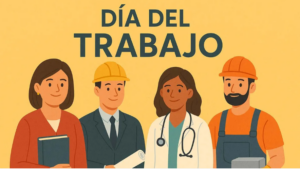
Labor Day: The Value of Work, Dignity, and the Future We Must Protect

Behind every city skyline, every school, every hospital, every road, and every business, there are workers. Hands that built, minds that solved, hearts that persevered. Yet many of the rights people now consider normal—reasonable schedules, safer workplaces, paid leave, fair wages, and time to rest—were not always guaranteed.

Labor Day is more than a holiday or a long weekend. It is a reminder that progress often comes through sacrifice, organization, courage, and the belief that human dignity should never be optional.

In both Mexico and the United States, labor history includes struggle, reform, and resilience. Today, as technology and artificial intelligence reshape the economy, Labor Day also invites a new question:

How do we protect people while embracing progress?


1. Why Labor Day Exists: The Problems That Sparked Change

In the late 19th and early 20th centuries, many workers in North America faced difficult conditions:

  • Extremely long workdays, often 10 to 16 hours
  • Child labor
  • Unsafe factories and mines
  • Low wages
  • No paid vacation
  • No health protections
  • Little job security
  • Few rights to organize collectively

In the United States

Industrial expansion created wealth, but many workers faced dangerous environments and exhausting schedules. Labor movements pushed for the 8-hour workday, workplace protections, and collective bargaining rights.

In Mexico

Workers also faced inequality, exploitation, and limited legal protections. Social demands during and after the Mexican Revolution helped shape stronger labor rights in the Constitution of 1917, including important worker protections.

Labor Day exists because previous generations insisted that productivity should not come at the cost of dignity.


2. Comparing Achievements: Mexico and the United States

Both countries made major progress, though through different systems and timelines.

Mexico

Mexico has historically recognized several labor protections in federal law, including:

  • Mandatory profit sharing in many cases
  • Paid vacation rights
  • Christmas bonus (aguinaldo)
  • Social security systems
  • Severance rules in many dismissals
  • Constitutional labor protections

United States

The U.S. developed protections through legislation and employer systems, such as:

  • Minimum wage laws
  • Overtime pay rules
  • Occupational safety standards
  • Anti-discrimination laws
  • Family and medical leave protections
  • Retirement plans through public and private systems

Reflection

Neither country is perfect. Both continue debating wages, informal work, healthcare access, gig work, union rights, and work-life balance.

Still, the broader lesson is powerful:

When workers are treated fairly, societies become more stable, productive, and hopeful.


3. The Arrival of AI: Risks and Opportunities for Workers

Artificial intelligence is transforming industries quickly. It can improve productivity, reduce repetitive tasks, and create new services. But it also creates concerns.

Risks

  • Automation of repetitive office and factory jobs
  • Pressure on wages in some sectors
  • Skill gaps for workers without digital training
  • Surveillance or excessive monitoring
  • Unequal benefits concentrated in a few companies

Opportunities

  • New careers in data, tech support, design, AI oversight, and education
  • Better tools for small businesses and entrepreneurs
  • Faster learning and productivity for workers
  • Safer operations in hazardous environments

The key issue is not AI alone—it is how society manages the transition.

Workers need:

  • Reskilling opportunities
  • Lifelong learning
  • Fair policies
  • Human-centered leadership
  • Ethical technology standards

Progress should upgrade people, not discard them.


4. What We Can Do Personally: Growth, Success, and Happiness

Labor Day is also personal. It asks us to reflect on our own relationship with work.

As Workers

  • Keep learning new skills
  • Protect mental and physical health
  • Understand workplace rights
  • Build professionalism and adaptability

As Leaders or Employers

  • Treat people with respect
  • Reward effort fairly
  • Create safe and healthy environments
  • Use technology responsibly

As Citizens

  • Support policies that encourage opportunity and dignity
  • Value all forms of honest work
  • Avoid measuring worth only by income or title

Success is not only salary. Happiness also includes balance, meaning, growth, and being respected.

A society that honors work should also honor the worker.


Conclusion

Labor Day reminds us that rights many people enjoy today were earned through persistence and solidarity. It also reminds us that each generation faces new challenges.

Yesterday it was unsafe factories and extreme hours. Today it may be inequality, burnout, and technological disruption.

The goal remains the same:

Build economies where progress includes people.

Whether in Mexico, the United States, or anywhere else, work should create opportunity—not erase dignity.

Bibliography (APA)

International Labour Organization. (2024). World employment and social outlook. ILO.
OECD. (2024). Employment outlook. OECD Publishing.
Secretaría del Trabajo y Previsión Social. (2024). Marco laboral en México. Gobierno de México.
U.S. Department of Labor. (2024). History of Labor Day. United States Government.
World Economic Forum. (2024). The future of jobs report. WEF.

Labor Day

World Family Day: The Home Where Society Begins

Before a child knows the world, they know a home. Before they understand laws, politics, or economics, they learn love, limits, trust, language, and behavior through family life. For many people, family is the first school, the first support system, and the first place where hope is formed.

Yet not every family experiences peace or stability. Some live under stress, separation, addiction, violence, economic hardship, or emotional distance. When families struggle, communities often feel the impact through school problems, mental health challenges, loneliness, violence, and juvenile delinquency.

That is why World Family Day is more than a symbolic date. It is an invitation to reflect on how families shape the future of society. Strong families help build safer neighborhoods, healthier economies, and more compassionate generations.

Whether traditional, blended, single-parent, adoptive, multigenerational, or chosen families, the message is the same: when families are supported, society grows stronger.


1. Why Families Matter for Social and Economic Progress

Families are where many life skills begin:

  • Communication
  • Respect
  • Responsibility

  • Emotional regulation
  • Cooperation
  • Work ethic
  • Care for others

These qualities are not only personal virtues—they are economic and social assets. Children who grow in stable, supportive environments are often better prepared for education, employment, and healthy relationships.

Families also support society in practical ways:

  • Caring for children and elders
  • Sharing resources during difficult times
  • Encouraging education
  • Providing emotional resilience
  • Reducing isolation

When families function well, public systems face less pressure. Schools, healthcare systems, and justice systems often perform better when homes provide stability.

This does not mean families must be perfect. It means connection, consistency, and care matter deeply.


2. Social Problems in Mexico and the USA: Different Contexts, Shared Challenges

Mexico and the United States have different histories and systems, yet many family-related challenges overlap.

In Mexico

Some common concerns include:

  • Economic inequality and informal employment
  • Migration that separates family members
  • Domestic violence
  • School dropout in vulnerable communities
  • Youth recruitment by criminal groups in some regions
  • Limited mental health support in many areas

Many families work incredibly hard under pressure, often balancing multiple jobs while trying to protect children and preserve unity.

In the United States

Some common concerns include:

  • Family fragmentation and social isolation
  • Substance abuse crises in some communities
  • Youth anxiety, depression, and loneliness
  • Gun violence affecting families and schools
  • Housing affordability stress
  • Overwork and limited time for family connection

Despite differences, both countries face a shared question:

How do we help families remain emotionally strong in a rapidly changing world?


3. How Society Is Changing—and What Families Need Now

Modern life brings opportunities, but also new pressures.

Major Changes Affecting Families

  • More screen time and digital distraction
  • Faster lifestyles and less shared time
  • Economic uncertainty
  • Increased mental health stress
  • Diverse family structures
  • Greater mobility and migration
  • Social media comparison culture

Children today may have more technology than previous generations, but not always more guidance. Parents may have more tools, but less time.

This is why intentional family culture matters more than ever.

Families do not need luxury. They need:

  • Presence
  • Listening
  • Boundaries
  • Shared values
  • Encouragement
  • Time together
  • Safe emotional spaces

A dinner conversation, a bedtime talk, a calm correction, or a sincere apology can shape a child more than expensive gifts.


4. What We Can Do Personally: Building Stronger Homes and Futures

World Family Day is not only for governments or institutions. It begins with everyday choices.

At Home

  • Listen without interrupting
  • Create routines and shared meals
  • Reduce shouting and increase dialogue
  • Set limits with kindness
  • Celebrate effort, not only results
  • Ask children how they feel

As Individuals

  • Heal our own emotional wounds
  • Learn communication skills
  • Seek help when needed
  • Become dependable adults
  • Model respect and honesty

In Communities

  • Support mentoring programs
  • Volunteer in schools or youth centers
  • Encourage sports, arts, and learning spaces
  • Help families under stress without judgment

Strong societies are built through millions of small acts of care.

Success is not only career achievement. Happiness is also having a place where you feel seen, safe, and valued.


Conclusion

World Family Day reminds us that the future of any nation is quietly shaped in kitchens, living rooms, school pickups, bedtime talks, and difficult conversations handled with love.

Not every family begins with ideal conditions. Some carry pain across generations. But healing is possible. New patterns can begin with one person choosing patience, responsibility, and care.

Let this day be a reminder:

When we strengthen families, we strengthen children. When we strengthen children, we strengthen the world.

Bibliography 

Amato, P. R. (2014). The consequences of divorce for adults and children. Journal of Marriage and Family, 62(4), 1269–1287.
Bronfenbrenner, U. (1979). The ecology of human development. Harvard University Press.
UNICEF. (2023). Family-friendly policies and child well-being. UNICEF.
United Nations. (2024). International Day of Families: Background and themes. United Nations.
World Health Organization. (2023). Violence prevention and family well-being. WHO.

World Family Day

Spring and Its Impact on Agriculture and Human Life

Spring: More Than a Season — A Biological and Productive Engine

In the Northern Hemisphere, spring begins between March 20 and 21 and lasts until approximately June 21. Beyond its colorful landscapes and milder temperatures, spring represents a profound transformation in biological, agricultural, and human systems.

From an agricultural standpoint, spring symbolizes productive renewal. The gradual increase in solar radiation and rising temperatures activate essential physiological plant processes such as budding, flowering, and pollination. These events are regulated by mechanisms like photoperiod sensitivity and accumulated heat units (growing degree days), which determine crop development cycles.

In temperate agricultural regions, including much of Mexico and North America, spring is crucial for crops such as corn, wheat, vegetables, and fruit trees. During this period, much of the season’s yield potential is determined. Favorable temperatures and timely rainfall can significantly influence productivity outcomes.

Pollination: The Reproductive Core of Agriculture

Most plants carry out pollination during spring, a fundamental process for fruit and seed formation. In crops such as almonds, apples, avocados, and many vegetables, pollinator activity—particularly that of bees—is essential for optimal yields.

However, the same pollen release that ensures agricultural production can trigger seasonal allergies in humans. Irritated mucous membranes, watery eyes, and frequent sneezing are common symptoms. Although uncomfortable, these reactions are generally temporary and manageable with proper medical guidance.

Physiological Changes in Humans

The popular saying “spring stirs the blood” has a biological basis. Increased daylight influences the circadian rhythm through hormonal regulation involving melatonin and serotonin. These hormonal shifts are associated with improved mood, higher energy levels, and increased social and physical activity.

Nevertheless, some individuals experience what is known as spring asthenia, characterized by fatigue, irritability, and mild mood changes. This occurs because the body requires time to adapt to new light and temperature conditions. Fortunately, this condition is typically short-lived.

Climate Variability and Modern Challenges

In the context of climate change, spring patterns have shown noticeable variations. Shifts in average temperatures and rainfall distribution may alter flowering timing, disrupt synchronization with pollinators, and generate water stress in crops. These phenological mismatches represent significant challenges for modern agriculture.

Therefore, technical knowledge and climate-informed agricultural planning have become essential. Temperature monitoring, efficient water management, and precision agriculture technologies help mitigate risks and optimize productivity.

Final Reflection

Spring is not merely a pleasant season marked by colorful scenery and longer days. It is a strategic period for agricultural production, a catalyst for essential biological processes, and a determinant of human health and well-being. Understanding its scientific and agricultural dynamics enables us to appreciate its broader significance and better prepare for environmental challenges in a changing world.

Bibliografía 

Food and Agriculture Organization of the United Nations. (2023). Climate change and agriculture: Impacts and adaptation. FAO.

Intergovernmental Panel on Climate Change. (2023). Climate Change 2023: Synthesis Report. IPCC.

Taiz, L., Zeiger, E., Møller, I. M., & Murphy, A. (2015). Plant physiology and development (6th ed.). Sinauer Associates.

Wehr, T. A. (2001). Photoperiodism in humans and other mammals. Journal of Biological Rhythms, 16(4), 348–364.

World Health Organization. (2022). Allergic rhinitis and seasonal allergies: Public health considerations. WHO.

Spring and its impact on agriculture and human life

World Diabetes Day — A Global Call for Awareness and Prevention

World Diabetes Day: History and Global Impact

World Diabetes Day is observed every year on November 14th, commemorating the birthday of Sir Frederick Banting, who co-discovered insulin in 1921 along with Charles Best. The International Diabetes Federation (IDF) and the World Health Organization (WHO) established this day in 1991 in response to the growing concern over the global rise of diabetes. It became an official United Nations Day in 2006, emphasizing diabetes as not only a health issue but a social, economic, and developmental challenge (WHO, 2024).

Understanding Diabetes and Its Global Reach

Diabetes mellitus is a chronic disease characterized by elevated blood glucose levels resulting from defects in insulin production or its utilization. According to the World Health Organization (2024), over 540 million adults worldwide are living with diabetes, and this number is expected to rise to 783 million by 2045 if no effective preventive measures are taken.

Diabetes in Mexico and the United States

In Mexico, diabetes is one of the leading causes of death. The National Institute of Public Health (INSP, 2023) reported that around 14 million adults live with diabetes, representing nearly 14% of the adult population. Moreover, nearly half of them are unaware of their condition, increasing the risk of complications such as kidney failure, vision loss, and cardiovascular disease.

In the United States, the Centers for Disease Control and Prevention (CDC, 2024) estimates that 38.4 million people, or 11.6% of the U.S. population, have diabetes, with an additional 97 million adults in a prediabetic state. The financial impact is also alarming, with $413 billion spent annually on direct medical costs and lost productivity (ADA, 2024).

Raising Awareness and Promoting Prevention

World Diabetes Day serves as a reminder of the importance of early diagnosis, healthy lifestyle choices, and regular screenings. Campaigns around the world encourage physical activity, balanced nutrition, and education about risk factors such as obesity, poor diet, and sedentary behavior.

However, diabetes prevention and management require more than individual effort—it demands public health policies, community support, and financial preparedness.

Financial Planning and Life Insurance: Protecting Health and Future

Chronic diseases like diabetes not only affect physical well-being but also have significant financial consequences. Medical expenses, long-term treatments, and work absences can severely impact family stability. Therefore, life and health insurance are essential tools for protection.

Having an insurance plan ensures access to timely medical attention, coverage for expensive treatments, and financial security for loved ones in case of unforeseen complications. Integrating financial planning with health awareness allows individuals to live with greater peace of mind, focusing on prevention and quality of life instead of fear and uncertainty.

References

  • American Diabetes Association (ADA). (2024). Statistics about diabetes. Retrieved from https://www.diabetes.org

  • Centers for Disease Control and Prevention (CDC). (2024). National Diabetes Statistics Report. U.S. Department of Health and Human Services.

  • International Diabetes Federation (IDF). (2024). IDF Diabetes Atlas (11th ed.). Retrieved from https://idf.org

  • Instituto Nacional de Salud Pública (INSP). (2023). Encuesta Nacional de Salud y Nutrición (ENSANUT). Gobierno de México.

  • World Health Organization (WHO). (2024). Global report on diabetes. Retrieved from https://www.who.int

World Diabetes Day: Protecting Health and Future