
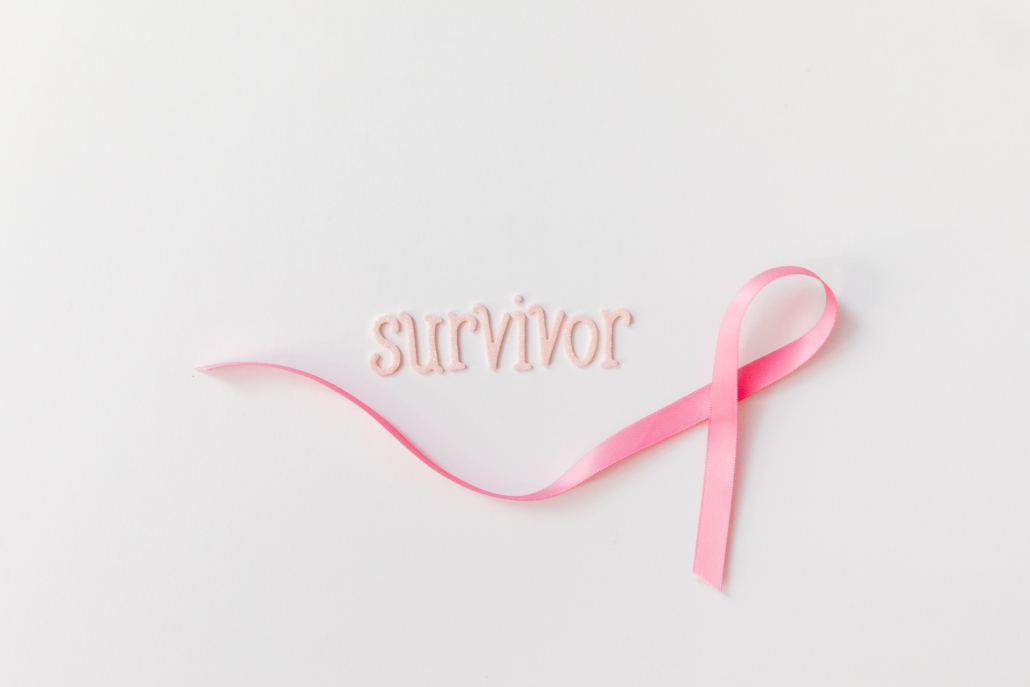
International Breast Cancer Awareness Day: More Than a Pink Ribbon — Awareness, Prevention, Early Detection, and Hope
/0 Comentarios/en News/por JORGE MONTES DE OCASometimes, awareness begins with a simple decision
There are moments in life when a simple decision can make a meaningful difference.
Scheduling a medical appointment. Paying attention to a change in your body. Talking to someone you love about prevention. Encouraging a family member to get a recommended screening.
None of these actions guarantees that illness will never happen. But they can help us become more informed, more prepared, and more proactive about our health.
Every October, the world turns pink to raise awareness about breast cancer. Behind the ribbons, campaigns, walks, and fundraising events are millions of people whose lives have been touched by this disease: patients, survivors, families, healthcare professionals, caregivers, researchers, and communities.
International Breast Cancer Awareness Day, observed on October 19, gives us an opportunity to pause, learn, and remember something fundamental:
Taking care of our health is not an act of fear. It is an act of responsibility toward ourselves and the people we love.
When and why is Breast Cancer Awareness Day observed?
October is recognized internationally as Breast Cancer Awareness Month, while October 19 is commonly observed as International Breast Cancer Day.
The World Health Organization states that October is a month dedicated to creating awareness, honoring people affected by breast cancer, and reaffirming the commitment to equitable access to quality care and improved survival.
The Mexican government identifies October 19 as the International Day for the Fight Against Breast Cancer and notes that the WHO established October 19 in 1988 to raise awareness about the disease and promote timely diagnosis and treatment.
The broader Breast Cancer Awareness Month campaign began earlier. The National Breast Cancer Foundation notes that the first Breast Cancer Awareness Month took place in October 1985, as an initiative led by the American Cancer Society. The pink ribbon subsequently became a universal symbol of breast cancer awareness in 1992.
More than four decades later, the objective remains remarkably relevant: knowledge, early detection, timely care, and support.
Breast cancer around the world: understanding the numbers
Breast cancer affects countries and communities across the world.
According to the World Health Organization, approximately 2.4 million women were diagnosed with breast cancer in 2024, and approximately 694,000 died from the disease. Breast cancer was the most commonly diagnosed cancer among women in 164 of 186 countries that year.
The International Agency for Research on Cancer’s 2024 estimates similarly place breast cancer at approximately 2.43 million new cases worldwide, making it the second most commonly diagnosed cancer overall after lung cancer, and the most commonly diagnosed cancer among women.
An important fact often overlooked is that breast cancer is not exclusively a women’s disease. WHO estimates that approximately 0.5% to 1% of breast cancers occur in men.
The numbers also reveal an important inequality.
Breast cancer incidence is often higher in countries with greater human development, but mortality can be disproportionately higher in countries where access to early diagnosis and effective treatment is more limited.
This teaches us an important lesson: awareness alone is not enough. Awareness must be connected to access, diagnosis, treatment, and support.
Breast cancer in Mexico: a challenge that deserves attention
Mexico faces a significant breast cancer burden.
According to IARC’s GLOBOCAN 2022 data, Mexico recorded approximately 31,043 new breast cancer cases among women in 2022. Breast cancer was the most frequently diagnosed cancer among Mexican women, representing approximately 27.9% of new cancer cases in women.
The same source estimates approximately 8,195 breast cancer deaths in Mexico in 2022.
More recent Mexican mortality information reinforces the importance of continued awareness.
According to preliminary INEGI data, 8,451 people died from breast cancer in Mexico in 2024, including 8,384 women and 67 men. Breast cancer represented 1% of all deaths in the country and was the leading cause of death among malignant tumors.
Among women aged 20 and older, the breast cancer mortality rate reached 18.7 deaths per 100,000 women in 2024, compared with 15.7 in 2015.
INEGI also reported significant differences among states. In 2024, Chihuahua had the highest standardized mortality rate among women aged 20 and older, at 27.6 deaths per 100,000 women, while Guerrero had the lowest, at 12.7.
These differences remind us that health outcomes are influenced not only by biology, but also by access to information, healthcare services, diagnosis, treatment, geography, and socioeconomic circumstances.
The United States: important progress, but an ongoing challenge
Breast cancer is also one of the most important health concerns in the United States.
The American Cancer Society estimates that in 2026, approximately:
- 321,910 women will be diagnosed with invasive breast cancer.
- 60,730 women will be diagnosed with ductal carcinoma in situ (DCIS).
- Approximately 42,140 women will die from breast cancer.
Breast cancer accounts for approximately one out of every three new cancers diagnosed in American women, excluding skin cancers.
But there is also encouraging news.
The National Breast Cancer Foundation reports that breast cancer death rates in the United States have fallen substantially since the first Breast Cancer Awareness Month campaign in 1985, reflecting the combined effects of increased awareness, earlier detection, and advances in treatment.
This is an important reminder:
Progress is possible when awareness, science, healthcare, and community action work together.
What signs and symptoms should we watch for?
One of the most important messages of breast cancer awareness is learning what changes deserve medical attention.
According to WHO, possible signs include:
- A lump or thickening in the breast, often without pain.
- A change in the size or shape of the breast.
- Changes in the appearance of the skin, including dimpling, redness, or pitting.
- Changes in the nipple or the skin surrounding it.
- Unusual or bloody discharge from the nipple.
WHO emphasizes that people with an abnormal breast lump should seek medical evaluation even when the lump does not hurt. Importantly, most breast lumps are not cancer, but they should still be evaluated appropriately.
Awareness does not mean trying to diagnose yourself.
It means becoming familiar with your body and responding appropriately when something changes.
Early detection: an important part of prevention
There is an important distinction between prevention and early detection.
Not every case of breast cancer can be prevented. However, early detection can improve the possibility of successful treatment.
Mammography can detect breast cancer before a tumor becomes large enough to feel or cause symptoms. The CDC states that regular mammography can reduce the risk of dying from breast cancer.
In the United States, the U.S. Preventive Services Task Force recommends that women at average risk between 40 and 74 years of age receive mammography every two years. People with higher-than-average risk may need a different screening approach and should discuss it with their healthcare provider.
Screening recommendations can vary by country, age, personal history, family history, genetic risk, and other factors.
Therefore, one of the best preventive decisions is simple:
Know the screening recommendations that apply to you and discuss them with a qualified healthcare professional.
Can lifestyle make a difference?
There is no single action that can guarantee prevention.
However, maintaining healthy habits can contribute to overall health and may reduce the risk of several diseases.
Useful habits include:
- Maintaining a healthy weight.
- Being physically active.
- Avoiding tobacco.
- Limiting alcohol consumption.
- Eating a balanced diet.
- Following recommended medical screenings.
- Discussing personal or family risk factors with a healthcare professional.
The goal should not be perfection.
The goal is consistency.
A healthier lifestyle is not something we build in one day. It is constructed through dozens of small decisions repeated over time.
Interesting facts about breast cancer
1. Men can develop breast cancer
Although breast cancer overwhelmingly affects women, men can also develop the disease. WHO estimates that approximately 0.5%–1% of breast cancers occur in men.
2. A painless lump should not automatically be ignored
Some people assume that something serious must hurt.
That is not necessarily true. WHO specifically notes that breast cancer lumps are often painless.
3. Not every lump is cancer
This is an equally important message.
Many breast lumps are benign. Awareness should therefore not create unnecessary fear. It should encourage appropriate medical evaluation.
4. Breast cancer is not one single disease
There are different types and biological characteristics of breast cancer, which means treatment can vary considerably from one person to another.
5. The pink ribbon has a history
The pink ribbon became widely recognized as a symbol of breast cancer awareness and fundraising in the early 1990s.
6. Awareness has an economic dimension
Breast cancer affects more than physical health.
Diagnosis and treatment can affect family finances, employment, caregiving responsibilities, savings, and long-term planning.
That is why health awareness and financial preparedness should not be treated as completely separate subjects.
Health, financial planning, and protecting the people we love
As a business and financial perspective, there is another lesson worth considering.
We often plan for retirement, education, a home, a business, or an emergency fund.
But we sometimes forget to include health-related financial risks in that planning.
A serious illness can generate medical expenses, transportation costs, time away from work, caregiving needs, and changes in household income.
This does not mean living in fear.
It means recognizing that financial planning is also about resilience.
Having savings, appropriate insurance coverage, understanding available health benefits, and maintaining an emergency fund can help families navigate unexpected situations with greater stability.
Good financial planning does not predict the future.
It prepares us to face it.
Beyond awareness: turn information into action
International Breast Cancer Awareness Day should not be limited to wearing pink.
It can be a reminder to:
Learn.
Understand the signs and symptoms.
Check.
Pay attention to changes in your body and follow appropriate screening recommendations.
Talk.
Discuss family history and health concerns with qualified professionals.
Support.
Be present for someone going through diagnosis or treatment.
Plan.
Consider health and financial resilience as part of responsible family planning.
And perhaps most importantly:
Do not let fear replace knowledge.
Knowledge gives us options.
Awareness is an expression of care
Every October, the color pink reminds us of something much bigger than a campaign.
It reminds us that behind every statistic is a person.
Behind every diagnosis is a family.
Behind every treatment is a story of courage.
And behind every act of prevention is a decision to value life.
We cannot control everything that happens to us, but we can choose to become informed, pay attention to our health, seek professional advice when something changes, and support the people who need us.
Because caring for your health today is one of the most meaningful ways to protect the possibilities of tomorrow.
Bibliografia
American Cancer Society. (2026). Key statistics for breast cancer. American Cancer Society — Key Statistics for Breast Cancer
American Cancer Society. (2026). Cancer facts & figures 2026. American Cancer Society. Cancer Facts & Figures 2026
Centers for Disease Control and Prevention. (2024, September 16). Screening for breast cancer. CDC — Screening for Breast Cancer
Instituto Nacional de Estadística y Geografía. (2025, October 16). Estadísticas a propósito del Día Internacional de la Lucha contra el Cáncer de Mama (19 de octubre). INEGI. INEGI — Estadísticas sobre cáncer de mama 2025
International Agency for Research on Cancer. (2025). Global Cancer Observatory: Cancer Today — Breast cancer. World Health Organization. IARC — Breast Cancer
International Agency for Research on Cancer. (2024, October 1). IARC marks Breast Cancer Awareness Month 2024. World Health Organization. IARC — Breast Cancer Awareness Month
National Breast Cancer Foundation. (s. f.). Breast Cancer Awareness Month. National Breast Cancer Foundation — Breast Cancer Awareness Month
Secretaría de Salud. (2024, October 22). México busca reducir 2.5 por ciento anual las muertes por cáncer de mama. Gobierno de México. Secretaría de Salud — Cáncer de mama en México
U.S. Preventive Services Task Force. (2024, April 30). Final recommendation statement: Screening for breast cancer. USPSTF — Breast Cancer Screening Recommendation
World Health Organization. (2026, July 3). Breast cancer. WHO — Breast Cancer Fact Sheet
World Health Organization. (2025). Breast Cancer Awareness Month 2025. WHO — Breast Cancer Awareness Month
International Breast Cancer Awareness Day

SMP Chapter 1 Project Management: Much More Than Following a Plan










Dejar un comentario
¿Quieres unirte a la conversación?Siéntete libre de contribuir!