Introduction
Many people start a business with passion, talent, and a dream—but dreams alone do not pay suppliers, salaries, or rent. A strong business idea becomes sustainable when it clearly answers two essential questions: How will money come in? and What do we need to deliver value consistently?
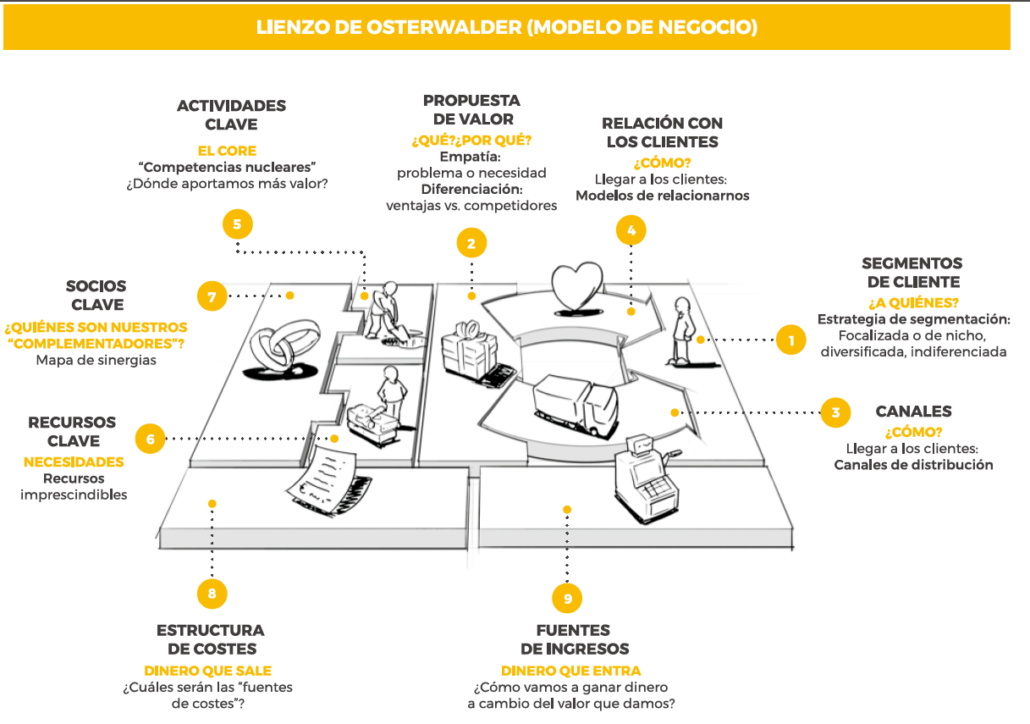
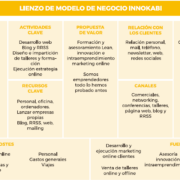
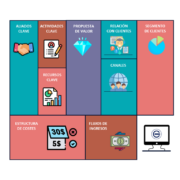
This is where the Business Model Canvas becomes powerful. It helps entrepreneurs organize ideas into a practical model. In this article, we focus on two vital areas: Revenue Streams (how the business earns money) and Key Resources (what the business needs to operate and grow).
When these two pieces are clear, a business gains direction, confidence, and the ability to grow with purpose.
## 1. Revenue Streams: What Are Customers Willing to Pay For?
Revenue streams represent the money a company receives from each customer segment. But the real question is deeper:
What problem is valuable enough for customers to spend money solving?
Customers usually pay for one or more of these forms of value:
- Convenience – saving time or effort
- Quality – reliability, durability, excellence
- Status – image, prestige, identity
- Savings – lower cost over time
- Security – trust, guarantees, peace of mind
- Experience – enjoyment, comfort, emotion
- Results – measurable transformation
For example:
- A busy parent pays for meal delivery because it saves time.
- A company pays premium software because it improves efficiency.
- A student pays for coaching because it increases confidence and results.
The lesson is simple: customers do not buy products—they buy outcomes.
## 2. How to Determine Your Pricing Strategy
Pricing is emotional and strategic. Charging too little may create distrust or losses. Charging too much without value creates resistance.
Here are practical pricing techniques:
Cost-Plus Pricing
Calculate total costs and add a profit margin.
Best for: physical products, simple operations.
Value-Based Pricing
Price according to the value perceived by the customer.
Best for: consulting, premium brands, specialized services.
Competitor-Based Pricing
Compare similar market offers and position yourself lower, equal, or higher.
Best for: competitive industries.
Tiered Pricing
Offer multiple levels (Basic, Pro, Premium).
Best for: software, memberships, coaching.
Test and Learn
Launch with one price, collect feedback, and improve.
Best for: startups.
Questions to Ask Before Setting a Price
- What problem am I solving?
- How urgent is that problem?
- What alternatives exist?
- How much money or time do I save the customer?
- What experience am I creating?
Good pricing respects both the customer and the business.
## 3. Key Resources: What Do You Need to Deliver Value?
Key resources are the assets required to create and deliver your value proposition.
These usually fall into four categories:
Physical Resources
Equipment, office, inventory, vehicles, tools, technology.
Intellectual Resources
Brand, know-how, systems, patents, content, customer data.
Human Resources
Founders, employees, freelancers, advisors, customer service.
Financial Resources
Cash flow, savings, investors, credit lines.
Example:
An online fitness coach may need:
- Laptop and camera
- Coaching methodology
- Social media presence
- Scheduling software
- Energy, discipline, communication skills
- Startup capital
The key is not owning everything. It is knowing what is essential.
## 4. Why This Matters for Success, Confidence, and Happiness
Many entrepreneurs feel stress because they are working hard without clarity. A business model reduces uncertainty.
When you understand:
- who pays,
- why they pay,
- how much they pay,
- and what you need to serve them,
you make better decisions and avoid wasting energy.
This also supports personal growth. You become more disciplined, strategic, and resilient. A business built with intention can create income—but also freedom, meaning, and pride.
Success is not only revenue. It is building something useful and sustainable.
Conclusion
The Business Model Canvas reminds us that a business is more than an idea—it is a system of value. Revenue streams show how trust becomes income. Key resources show what must be protected, developed, and strengthened.
If you are starting a business, ask yourself today:
What value will people gladly pay for—and what do I truly need to deliver it well?
The clearer your answer, the stronger your future becomes.


 World Autism Awareness Day: Empathy, Planning, and the Power of Understandi...


Dejar un comentario
¿Quieres unirte a la conversación?Siéntete libre de contribuir!