Introduction
Many businesses fail not because their product is bad, but because customers never discover it—or they buy once and never return. This can be painful for entrepreneurs who invest time, money, and hope into something meaningful.
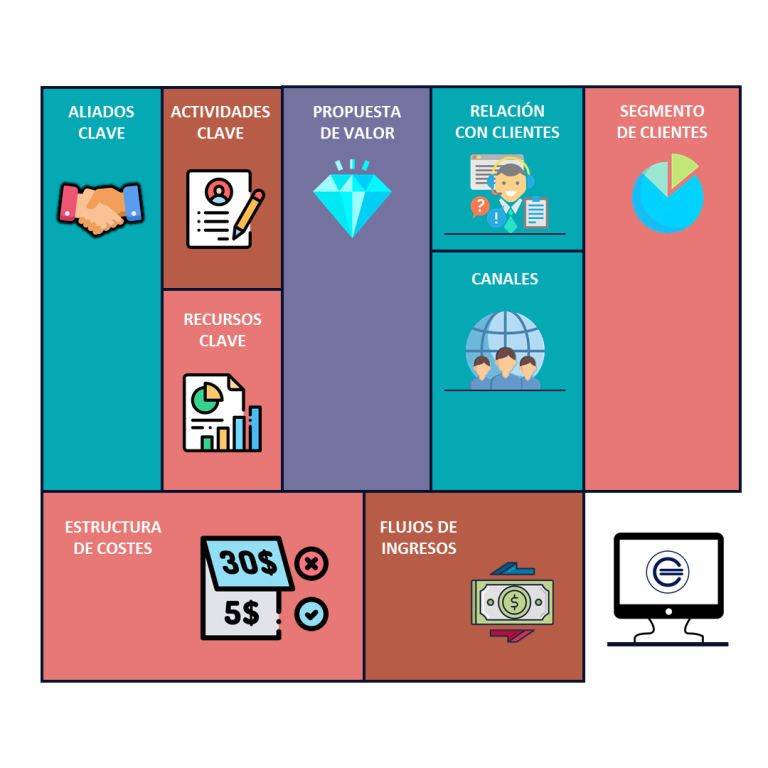
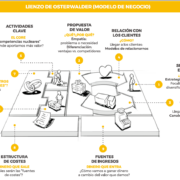
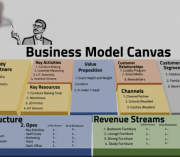
A great idea needs more than quality. It needs visibility, trust, and connection. That is why two of the most powerful parts of the Business Model Canvas are Channels and Customer Relationships.
These blocks help answer practical questions: How will people find us? How will we serve them? Why will they come back? They also push founders to observe the world around them: What regulations are coming? How is society changing? Who are our competitors, and what are they doing well?
When understood correctly, these blocks turn a business into a living relationship with the market.
## 1. Channels: How Your Value Reaches the Customer
Channels are the ways a company communicates with customers and delivers its value proposition. Even the best product can struggle if the wrong channel is used.
Common channels include:
- Website or online store
- Social media
- Email marketing
- Retail stores
- Distributors
- Mobile apps
- Events and networking
- Partnerships and affiliates
Good channels perform five tasks:
- Create awareness
- Help customers evaluate your offer
- Make purchasing easy
- Deliver the product or service
- Provide after-sales support
For example:
- A handmade brand may grow through Instagram and marketplaces.
- A consulting firm may rely on LinkedIn and referrals.
- A food business may need delivery apps and local presence.
The goal is not to be everywhere. It is to be where your customers already are.
## 2. Customer Relationships: Why They Return and Recommend You
Customer relationships define how you interact with people before, during, and after the sale.
Types of relationships include:
- Personal assistance
- Self-service
- Automated service
- Communities
- Membership programs
- Dedicated account management
- Co-creation (customers help improve products)
Strong relationships build loyalty, reduce marketing costs, and create trust.
Ask yourself:
- How quickly do we respond?
- Do customers feel heard?
- Is buying simple and pleasant?
- Do we stay connected after purchase?
A first sale creates income. A second sale creates stability.
In many industries, kindness and consistency are competitive advantages.
## 3. What Regulations Are Coming? How Is Society Changing?
Smart entrepreneurs do not only study customers—they study the future.
Regulations and social trends influence channels and relationships more each year. Depending on the country and industry, common changes include:
Emerging Regulations
- Data privacy rules
- Consumer transparency requirements
- Digital invoicing and tax compliance
- Sustainability reporting
- Accessibility standards for websites and services
Social Changes
- Customers expect faster responses
- More people prefer online purchasing
- Trust in reviews and communities is growing
- Buyers value ethical and sustainable brands
- Personalization is becoming normal
So when someone asks, “What regulations are coming? How is this society changing, Carl?” the real lesson is this:
Businesses must stay curious, adaptable, and informed.
Companies that listen early adjust faster.
## 4. Who Are Your Competitors? What Advantages Do They Have?
Competitors are not enemies—they are teachers.
Study three things:
Their Channels
Where do they attract attention? Social media? Stores? Partnerships?
Their Relationships
Do they offer faster service, stronger communities, subscriptions, loyalty rewards?
Their Business Model Advantages
- Lower costs
- Better convenience
- Stronger brand recognition
- Better technology
- Better customer experience
- Faster delivery
- More trust
Then ask:
- What do they do well?
- Where are customers still frustrated?
- How can we be different instead of copying?
Success often comes not from being bigger—but from being more relevant.
Conclusion
Channels and Customer Relationships remind us that businesses grow through connection, not only transactions.
Your product may be excellent—but if people cannot find you, trust you, or remember you, growth becomes difficult.
Ask yourself today:
Where will customers meet us? How will they feel when they do?
That answer can transform a startup into a brand people choose again and again.


 Nanotechnology: A Small Tool with Big Potential in Agriculture


Dejar un comentario
¿Quieres unirte a la conversación?Siéntete libre de contribuir!