Imagine a future where farmers can protect their crops, reduce waste, and deliver safer food to our tables—all thanks to particles so small they are invisible to the human eye. Nanotechnology, often seen as futuristic, is already opening doors to a more sustainable and secure food system. As agronomists and consumers, we must understand its potential, not with fear, but with empathy and innovation.
Precision Agriculture and Smart Farming
Nanotechnology enables precision agriculture, where nanosensors monitor soil moisture, nutrient levels, and plant health in real time.
Farmers can apply water and fertilizers only when needed, saving resources.
Nanosensors detect early signs of disease, allowing preventive action before crops are lost. This means healthier plants, lower costs, and more resilient harvests.
Nanoparticles for Plant Health and Growth
Metallic nanoparticles like copper, zinc, iron, and silver have shown positive physiological effects on plants:
Copper and zinc strengthen plant defenses against pathogens.
Iron nanoparticles improve photosynthesis and nutrient absorption.
Silver nanoparticles act as antimicrobial agents, reducing postharvest losses. Carbon-based nanomaterials also enhance root development and stress tolerance. These innovations can help farmers achieve higher yields with fewer chemical inputs.
Food Safety and Longer Shelf Life
Nanotechnology is not limited to the field—it extends to our kitchens.
Nanocoatings on packaging can slow down spoilage, keeping fruits and vegetables fresh longer.
Antimicrobial films with silver or carbon nanoparticles prevent contamination.
Smart packaging with nanosensors can alert consumers when food is no longer safe. This reduces food waste and ensures safer meals for families worldwide.
Nanofertilizers, Nanopesticides, and Genetic Improvement
Traditional fertilizers and pesticides often harm the environment. Nanotechnology offers alternatives:
Nanofertilizers release nutrients slowly and efficiently, reducing runoff.
Nanopesticides target pests precisely, minimizing collateral damage to beneficial insects.
Nanotechnology can even assist in plant genetic improvement, delivering DNA or RNA molecules directly into cells for faster, safer breeding. These tools empower farmers to innovate responsibly.
Conclusion
Nanotechnology is not a magic solution, but a powerful ally. Its promise lies in empathy—helping farmers, protecting consumers, and caring for the planet. By embracing innovation with responsibility, we can build an agricultural future that is productive, safe, and sustainable.
References (APA format)
Chen, H., Weiss, J., & Shah, I. D. (2006). Nanotechnology in food science: Functionality, safety, and regulatory issues. Journal of Food Science, 71(9), R107–R116.
Rai, M., Ingle, A. P., & Gupta, I. (2015). Nanotechnology for agriculture: Crop production, protection, and food safety. Applied Microbiology and Biotechnology, 99(22), 9921–9936.
Servin, A., & White, J. C. (2016). Nanotechnology in agriculture: Next steps for responsible use. Environmental Science: Nano, 3(3), 494–499.
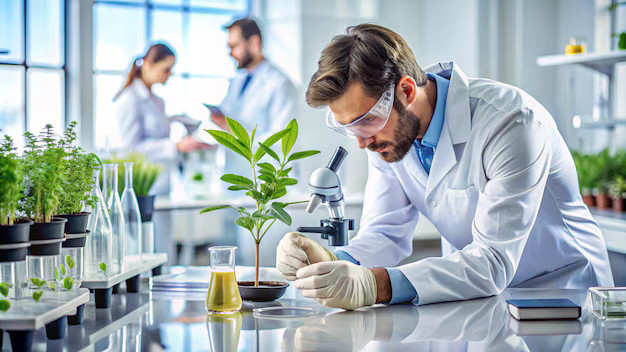
https://infisegroup.com/wp-content/uploads/2026/04/Agro-Cinetifico-ne-laboratorio-de-plantas.jpg352626JORGE MONTES DE OCAhttps://infisegroup.com/wp-content/uploads/2025/01/Logo-InfiseGroup-Cuadrado-300x290.pngJORGE MONTES DE OCA2026-04-20 18:22:112026-04-20 18:23:20Nanotechnology: A Small Tool with Big Potential in Agriculture
0comentarios
Dejar un comentario
¿Quieres unirte a la conversación? Siéntete libre de contribuir!


 World Family Day: The Home Where Society Begins


Dejar un comentario
¿Quieres unirte a la conversación?Siéntete libre de contribuir!