Agriculture is much more than planting and harvesting: it is the foundation of our food, culture, and economy.
Every year, World Agriculture Day reminds us that behind every meal there are stories of effort, innovation, and hope.
In 2026, this day is more relevant than ever as we face global challenges such as climate change, food security, and the need for sustainable production.
What is Agriculture?
Agriculture is the set of practices aimed at cultivating land and raising animals to obtain food, fibers, and other essential products.
It is the bridge between nature and society, and the heart of global food security.
Origins of Agriculture
More than 10,000 years ago, the first human communities began domesticating plants and animals.
This change allowed the development of settlements, cultures, and economies.
Agriculture was the beginning of civilization, and it remains the engine of progress today.
Some Advances in Agriculture
Agricultural history is marked by innovations that transformed food production:
-
Green Revolution (20th century): introduction of improved seeds and fertilizers.
-
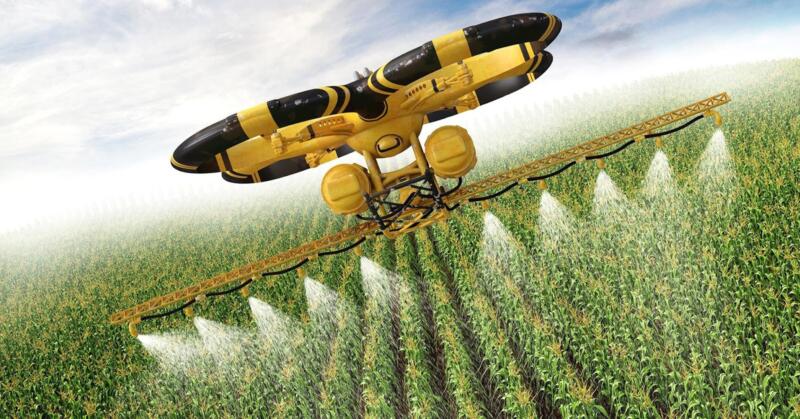
Precision agriculture: sensors and data optimize resources.
-
Biotechnology and nanotechnology: new tools improve crops and packaging.
-
Agroecology: sustainable practices that respect biodiversity.
Global Positioning and Economy
Agriculture is now a strategic economic driver:
-
International competitiveness: countries export differentiated, high-quality foods.
-
Investment attraction: innovation opens opportunities for private capital and international cooperation.
-
Local economy: production chains generate jobs and reduce inequalities.
Key Challenges
The sector faces challenges that require empathy and action:
-
Climate change: droughts and floods affect production.
-
Unequal access to technology: small farmers lack resources.
-
Variable regulations: different laws hinder international cooperation.
-
Insufficient funding: investment in research remains low.
Practical Applications
Health
Innovations in smart packaging and clean production ensure safer food.
Finance
Digital agriculture reduces costs and improves profitability.
Overcoming
Training opens doors for rural communities to access new technologies.
Success
Countries that invest in agricultural innovation are better positioned in international markets.
Happiness
Ultimately, agriculture seeks something simple: families having access to nutritious and affordable food.
World Agriculture Day is a reminder that the land gives us life and that we must care for it with empathy and responsibility. Innovating in agriculture is not just about producing more, but producing better, with respect for those who cultivate and those who consume.


 False Friends We Must Recognize


Dejar un comentario
¿Quieres unirte a la conversación?Siéntete libre de contribuir!