
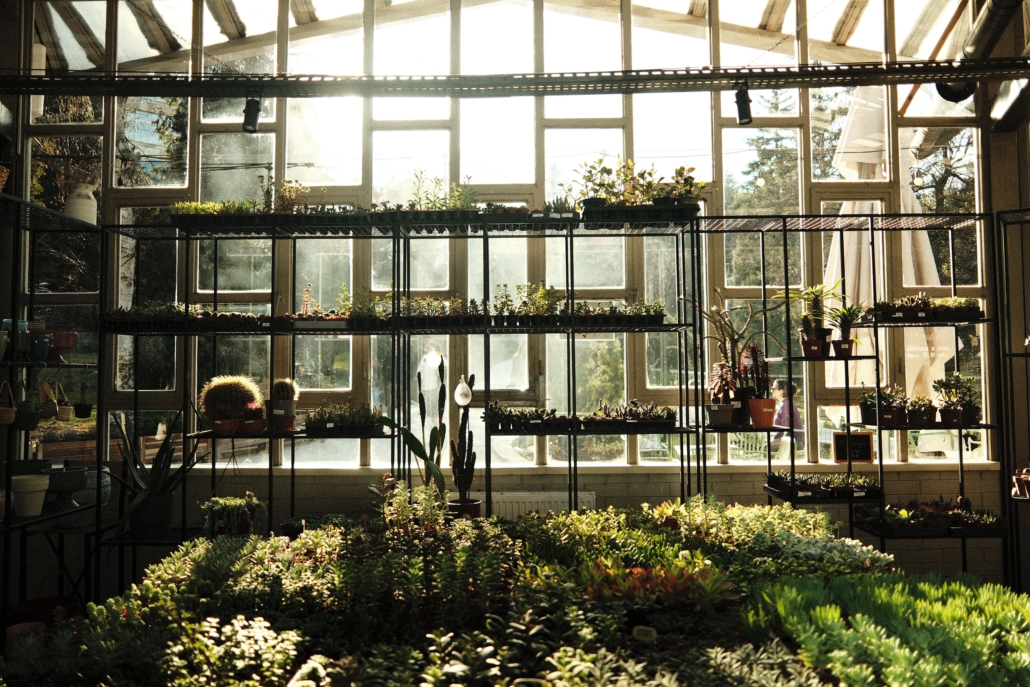
Cultivating Life from the Ground Up: Understanding Plants, Soil, and the Secret to a Thriving Garden
/0 Comentarios/en News/por JORGE MONTES DE OCAEvery Great Garden Begins Beneath the Surface
Have you ever planted a seed and felt a sense of excitement as you waited for the first green shoot to emerge? Whether you care for a small houseplant, a backyard vegetable garden, or simply admire nature’s beauty, plants have a remarkable ability to connect us with life, growth, and hope.
Yet, many people focus only on what they can see—the leaves, flowers, and fruits—while overlooking the hidden foundation that makes all plant life possible: the soil. Just as people need a supportive environment to learn, grow, and thrive, plants depend on healthy soil to develop their full potential.
Understanding the relationship between plants and soil not only helps us become better gardeners but also teaches valuable lessons about patience, care, and personal growth. Let’s explore the fascinating world beneath our feet and discover why healthy soil is one of nature’s greatest treasures.
What Are Plants and Why Are They So Important?
Plants are living organisms that convert sunlight into energy through a process called photosynthesis. Unlike animals, plants produce their own food using sunlight, water, carbon dioxide, and nutrients from the soil.
Plants play a fundamental role in life on Earth. They produce oxygen, provide food, regulate temperatures, support wildlife, and contribute to human well-being. From the vegetables on our tables to the trees that provide shade, plants are essential partners in our daily lives.
Beyond their practical benefits, plants also improve mental and emotional health. Studies have shown that gardening and spending time around plants can reduce stress, improve mood, and increase feelings of accomplishment and happiness.
Like people, plants need the right conditions to grow. They require light, water, air, nutrients, and space. When any of these elements are missing, their growth may become limited.
The Parts of a Plant and Their Functions
To understand how plants grow, it helps to know the role of each of their main parts.
Roots: The Foundation
Roots anchor plants to the ground and absorb water and nutrients from the soil. They are often compared to a plant’s support system because they provide stability and nourishment.
Healthy roots allow plants to withstand environmental challenges and continue growing even during difficult conditions.
Stem: The Transportation Network
The stem supports the plant and transports water, minerals, and food between the roots and leaves. It serves as the plant’s internal highway, ensuring that essential resources reach every part of the organism.
Leaves: The Food Factories
Leaves capture sunlight and perform photosynthesis. They are responsible for producing the energy that fuels growth, flowering, and fruit production.
Flowers, Fruits, and Seeds: The Future
Flowers enable reproduction, fruits protect developing seeds, and seeds carry the potential for new life. These structures ensure that plant species continue from one generation to the next.
Each part performs a specialized role, but all work together as a unified system. This cooperation reminds us that success often depends on the contribution of many interconnected elements.
Soil: Much More Than Dirt
Many people think of soil simply as dirt, but it is actually a complex and dynamic living system.
Healthy soil contains minerals, organic matter, water, air, and countless microorganisms that work together to create an environment where plants can flourish.
A fertile soil possesses several important characteristics:
- It contains essential nutrients.
- It allows roots to grow deeply and securely.
- It absorbs and retains water effectively.
- It provides adequate aeration.
- It is free from harmful or toxic substances.
Among the most important nutrients plants obtain from soil are nitrogen, phosphorus, potassium, calcium, and magnesium. These nutrients originate from rocks, decomposed organic matter, and biological activity within the soil.
When nutrients are available in proper amounts and proportions, plants can grow stronger, healthier, and more productive.
Just as a person thrives in a supportive environment that provides opportunities, encouragement, and resources, plants flourish when they grow in fertile soil.
The Relationship Between Soil and Plants: A Partnership for Growth
The relationship between soil and plants is one of nature’s most remarkable partnerships.
Plants depend on soil for water, nutrients, physical support, and access to beneficial microorganisms. In return, plants contribute organic matter through fallen leaves, roots, and natural decomposition processes that help enrich the soil over time.
This relationship is continuous and dynamic. Healthy soil supports healthy plants, and healthy plants help maintain healthy soil.
Gardeners can strengthen this partnership by adopting simple practices such as:
- Adding compost and organic matter.
- Avoiding excessive soil disturbance.
- Watering efficiently.
- Protecting soil from erosion.
- Choosing plants suited to local conditions.
These actions encourage long-term soil health and create stronger, more resilient gardens.
There is also a valuable life lesson hidden in this relationship. Just as plants cannot thrive without healthy soil, people often achieve their best results when they invest in supportive environments, continuous learning, and meaningful relationships.
Growth rarely happens by accident. It requires nourishment, consistency, and care.
Personal Growth Lessons from the Garden
Gardening teaches lessons that extend far beyond plants.
A seed does not become a flower overnight. It grows gradually, responding to the conditions around it. Similarly, personal and professional development requires patience and persistence.
Healthy soil represents the foundation of success. For people, that foundation may include education, positive habits, supportive relationships, and a willingness to learn.
When we invest in building strong foundations, we create conditions that allow future growth and achievement.
Success and happiness often emerge from small, consistent actions rather than dramatic changes. A gardener waters plants regularly, enriches the soil, and trusts the process. Likewise, individuals who continue learning, improving skills, and caring for their well-being often experience steady progress over time.
The garden reminds us that growth is not always visible every day, but important changes are often taking place beneath the surface.
Growing a Better Future One Plant at a Time
Every thriving garden tells a story of connection between plants, soil, water, sunlight, and care. Understanding these relationships helps us become more successful gardeners while deepening our appreciation for the natural world.
The next time you admire a flower, harvest a vegetable, or care for a houseplant, remember that much of its success depends on what lies beneath the surface. Healthy soil nurtures healthy plants, just as strong foundations support personal growth and achievement.
By learning about plants and soil, we not only cultivate gardens—we cultivate patience, knowledge, responsibility, and hope.
A Final Reflection
Every seed contains the promise of something greater. Whether you are growing a garden, developing a new skill, or pursuing an important goal, remember that meaningful growth begins with a strong foundation. Care for your soil, nurture your potential, and trust the process. With time, dedication, and the right conditions, remarkable things can flourish.
References
Brady, N. C., & Weil, R. R. (2016). The nature and properties of soils (15th ed.). Pearson.
Raven, P. H., Evert, R. F., & Eichhorn, S. E. (2013). Biology of plants (8th ed.). W. H. Freeman.
Taiz, L., Zeiger, E., Møller, I. M., & Murphy, A. (2018). Plant physiology and development (6th ed.). Sinauer Associates.
United States Department of Agriculture. (2023). Soil health. USDA Natural Resources Conservation Service.
¿Qué compone el suelo? Descubre sus secretos

Marketing: Don’t Just Do What You Do Best — Do What Sets You Apart

The Power of Assertive Behavior: A Key to Conscious Leadership


Dejar un comentario
¿Quieres unirte a la conversación?Siéntete libre de contribuir!