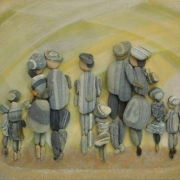
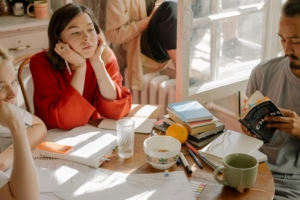
Before a child knows the world, they know a home. Before they understand laws, politics, or economics, they learn love, limits, trust, language, and behavior through family life. For many people, family is the first school, the first support system, and the first place where hope is formed.
Yet not every family experiences peace or stability. Some live under stress, separation, addiction, violence, economic hardship, or emotional distance. When families struggle, communities often feel the impact through school problems, mental health challenges, loneliness, violence, and juvenile delinquency.
That is why World Family Day is more than a symbolic date. It is an invitation to reflect on how families shape the future of society. Strong families help build safer neighborhoods, healthier economies, and more compassionate generations.
Whether traditional, blended, single-parent, adoptive, multigenerational, or chosen families, the message is the same: when families are supported, society grows stronger.
1. Why Families Matter for Social and Economic Progress
Families are where many life skills begin:
- Communication
- Respect
- Responsibility
- Emotional regulation
- Cooperation
- Work ethic
- Care for others
These qualities are not only personal virtues—they are economic and social assets. Children who grow in stable, supportive environments are often better prepared for education, employment, and healthy relationships.
Families also support society in practical ways:
- Caring for children and elders
- Sharing resources during difficult times
- Encouraging education
- Providing emotional resilience
- Reducing isolation
When families function well, public systems face less pressure. Schools, healthcare systems, and justice systems often perform better when homes provide stability.
This does not mean families must be perfect. It means connection, consistency, and care matter deeply.
2. Social Problems in Mexico and the USA: Different Contexts, Shared Challenges
Mexico and the United States have different histories and systems, yet many family-related challenges overlap.
In Mexico
Some common concerns include:
- Economic inequality and informal employment
- Migration that separates family members
- Domestic violence
- School dropout in vulnerable communities
- Youth recruitment by criminal groups in some regions
- Limited mental health support in many areas
Many families work incredibly hard under pressure, often balancing multiple jobs while trying to protect children and preserve unity.
In the United States
Some common concerns include:
- Family fragmentation and social isolation
- Substance abuse crises in some communities
- Youth anxiety, depression, and loneliness
- Gun violence affecting families and schools
- Housing affordability stress
- Overwork and limited time for family connection
Despite differences, both countries face a shared question:
How do we help families remain emotionally strong in a rapidly changing world?
3. How Society Is Changing—and What Families Need Now
Modern life brings opportunities, but also new pressures.
Major Changes Affecting Families
- More screen time and digital distraction
- Faster lifestyles and less shared time
- Economic uncertainty
- Increased mental health stress
- Diverse family structures
- Greater mobility and migration
- Social media comparison culture
Children today may have more technology than previous generations, but not always more guidance. Parents may have more tools, but less time.
This is why intentional family culture matters more than ever.
Families do not need luxury. They need:
- Presence
- Listening
- Boundaries
- Shared values
- Encouragement
- Time together
- Safe emotional spaces
A dinner conversation, a bedtime talk, a calm correction, or a sincere apology can shape a child more than expensive gifts.
4. What We Can Do Personally: Building Stronger Homes and Futures
World Family Day is not only for governments or institutions. It begins with everyday choices.
At Home
- Listen without interrupting
- Create routines and shared meals
- Reduce shouting and increase dialogue
- Set limits with kindness
- Celebrate effort, not only results
- Ask children how they feel
As Individuals
- Heal our own emotional wounds
- Learn communication skills
- Seek help when needed
- Become dependable adults
- Model respect and honesty
In Communities
- Support mentoring programs
- Volunteer in schools or youth centers
- Encourage sports, arts, and learning spaces
- Help families under stress without judgment
Strong societies are built through millions of small acts of care.
Success is not only career achievement. Happiness is also having a place where you feel seen, safe, and valued.
Conclusion
World Family Day reminds us that the future of any nation is quietly shaped in kitchens, living rooms, school pickups, bedtime talks, and difficult conversations handled with love.
Not every family begins with ideal conditions. Some carry pain across generations. But healing is possible. New patterns can begin with one person choosing patience, responsibility, and care.
Let this day be a reminder:
When we strengthen families, we strengthen children. When we strengthen children, we strengthen the world.