Spring: More Than a Season — A Biological and Productive Engine
In the Northern Hemisphere, spring begins between March 20 and 21 and lasts until approximately June 21. Beyond its colorful landscapes and milder temperatures, spring represents a profound transformation in biological, agricultural, and human systems.
From an agricultural standpoint, spring symbolizes productive renewal. The gradual increase in solar radiation and rising temperatures activate essential physiological plant processes such as budding, flowering, and pollination. These events are regulated by mechanisms like photoperiod sensitivity and accumulated heat units (growing degree days), which determine crop development cycles.
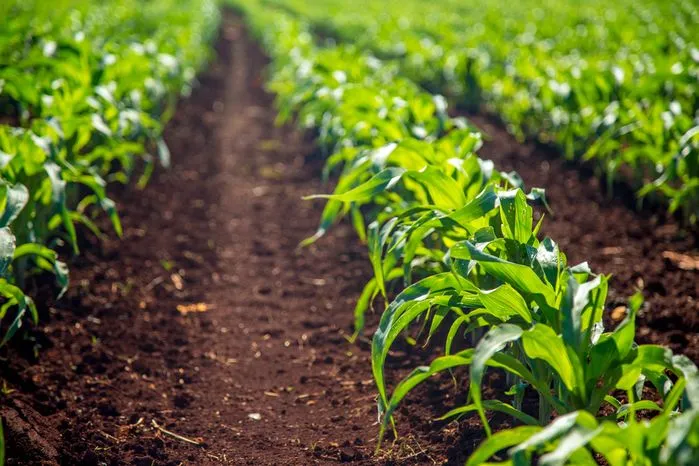
In temperate agricultural regions, including much of Mexico and North America, spring is crucial for crops such as corn, wheat, vegetables, and fruit trees. During this period, much of the season’s yield potential is determined. Favorable temperatures and timely rainfall can significantly influence productivity outcomes.
Pollination: The Reproductive Core of Agriculture
Most plants carry out pollination during spring, a fundamental process for fruit and seed formation. In crops such as almonds, apples, avocados, and many vegetables, pollinator activity—particularly that of bees—is essential for optimal yields.
However, the same pollen release that ensures agricultural production can trigger seasonal allergies in humans. Irritated mucous membranes, watery eyes, and frequent sneezing are common symptoms. Although uncomfortable, these reactions are generally temporary and manageable with proper medical guidance.
Physiological Changes in Humans
The popular saying “spring stirs the blood” has a biological basis. Increased daylight influences the circadian rhythm through hormonal regulation involving melatonin and serotonin. These hormonal shifts are associated with improved mood, higher energy levels, and increased social and physical activity.
Nevertheless, some individuals experience what is known as spring asthenia, characterized by fatigue, irritability, and mild mood changes. This occurs because the body requires time to adapt to new light and temperature conditions. Fortunately, this condition is typically short-lived.
Climate Variability and Modern Challenges
In the context of climate change, spring patterns have shown noticeable variations. Shifts in average temperatures and rainfall distribution may alter flowering timing, disrupt synchronization with pollinators, and generate water stress in crops. These phenological mismatches represent significant challenges for modern agriculture.
Therefore, technical knowledge and climate-informed agricultural planning have become essential. Temperature monitoring, efficient water management, and precision agriculture technologies help mitigate risks and optimize productivity.
Final Reflection
Spring is not merely a pleasant season marked by colorful scenery and longer days. It is a strategic period for agricultural production, a catalyst for essential biological processes, and a determinant of human health and well-being. Understanding its scientific and agricultural dynamics enables us to appreciate its broader significance and better prepare for environmental challenges in a changing world.


 What Will Customers Happily Pay For? Mastering Revenue Streams and Key Resources...

Dejar un comentario
¿Quieres unirte a la conversación?Siéntete libre de contribuir!